
Posts by Mark Taylor
Early Years with Wendy Scott – NAPE 042
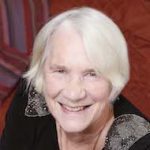
Wendy Scott is a Froebelian early years teacher with extensive experience in the PVI sector as well as schools. Headship of a demonstration nursery school was followed by a senior lectureship at Roehampton University, where she co-ordinated the original advanced diploma in multi-professional studies.
Wendy has been an early years and primary inspector in London, and has worked across England as an OFSTED Registered Inspector and trainer. She led The British Association for Early Childhood Education and chaired the national Early Childhood Forum before becoming a specialist adviser to the DfES, and working abroad with the British Council and UNICEF.
She is currently President of TACTYC, the Association for Professional Development in Early Years, and has judged the Nursery World Nursery of the Year competition since 2008. She was awarded an OBE for services to education in 2015.
NAPE
The National Association for Primary Education speaks for young children and all who live and work with them. This includes parents, teachers, governors and all those interested in primary education. NAPE is a non-political charity and works tirelessly to support teachers in the classroom as expressed in their ‘Value of Membership’ Document. NAPE leads the Primary Umbrella Group of thirty primary subject associations and unions and gives teachers and schools a voice at governmental level at consultative meetings with ministers for schools.
For full details of how they can support you please visit their website at nape.org.uk
116: Creating a new Education on Fire learning community
Mark explains his idea about starting an Education on Fire Community by bringing everyone involved in the Education on Fire Podcast Network together to support the children in our lives.
A group of people to lead the creation of important learning content that we can gift our children.
- Education on Fire
- Learning on Fire
- National Association for Primary Education
This concept was first shared on episode 50 of the Learning on Fire Podcast.
Life on the Front Row with Jon Vroman. LF051
Jon Vroman joins me on the Learning on Fire podcast and explores the most important learning and educational moments that shaped his life.
Jon helps others be “Moment Makers”. He is married to his gorgeous and free-spirited wife Tatyana and father of two energetic and playful boys, Tiger and Ocean, and live in Austin, Texas.
Jon is the founder of the Front Row Foundation, a charity established in 2005 that creates unforgettable moments for individuals who are braving life-threatening illnesses. They provide a once-in-a-lifetime opportunity to “live life in the front row™” by granting “front row moments” to live events of their recipients dreams.
He’s also the founder of a global network of men at FrontRowDads.com. They believe in being “Family men with businesses, not businessmen with families.” He’s host of the top-rated Front Row Dads podcasts, where Jon interviews experts and every-day dads from around the world, to extract and understand the rituals, routines and habits that help every man better serve their families and communities.
As the author of #1 bestselling book The Front Row Factor, Jon helps readers “Learn about living life, from those fighting for it.”
Questions asked on the Learning on Fire Podcast Interview
1. Who are you?
2. What does your life look like now and how is it different from when you were growing up?
3. What was valuable about your school experience?
4. Which teachers do you remember and why?
5. Who did you admire when you were young?
6. What was it about that person that had such an impact?
7. What was the best piece of advice you have ever been given and who gave it to you?
8. What advice would you give your younger self?
9. What does your future look like?
10. What podcast, book, video, film, song or other resource has had the biggest impact on your life and why?
Website
Resource mentioned
Primary Music on Fire Introduction #website
Primary Music on Fire Introduction #website
115: Wellbeing season finale
Host Mark Taylor provides a brief recap of the episodes and subjects covered in this wellbeing season.
He shares his thoughts on the subject of wellbeing in schools and what is coming up in the next few weeks.
- Primary Music Specials and his membership site.
- How the Education on Fire Podcast Network community is coming together to support children’s learning beyond the school system. Watch this space!
To catch up with anything you may have missed in this season start at episode 106.
Other seasons include
- English/Literacy
- Computing
- Music and the Arts
- PE
- What do the children think?
- and more
Everything you need is at EducationOnFire.com
Show Sponsor
The National Association for Primary Education speaks for young children and all who live and work with them. This includes parents, teachers, governors and all those interested in primary education. NAPE is a non-political charity and works tirelessly to support teachers in the classroom as expressed in their ‘Value of Membership’ Document. NAPE leads the Primary Umbrella Group of thirty primary subject associations and unions and gives teachers and schools a voice at governmental level at consultative meetings with ministers for schools.
For full details of how they can support you please visit their website at nape.org.uk